
How We Adapted Our Home for Our Blind Son
People are often curious—or even surprised—to find out that Titus doesn’t use a cane inside our home and that we have stairs without a baby gate.
Titus is completely blind without light perception. This level of blindness is rare—even in the blind and visually impaired community, only about 10–15% are fully blind.
Before Titus, we had never met anyone who was blind. That’s true for many people, so it’s hard to imagine how he navigates his world so confidently and independently. But here’s what we always say:
Titus can do anything—sometimes it just looks a little different.
Designing with Independence in Mind
We built our house with a few adaptations in mind—but most were small, subtle changes. If you visited, you might not even notice them.
We live in a two-story house with a basement, and yes—there are stairs! People often assume we must live in a single-level home or use baby gates. Not true.
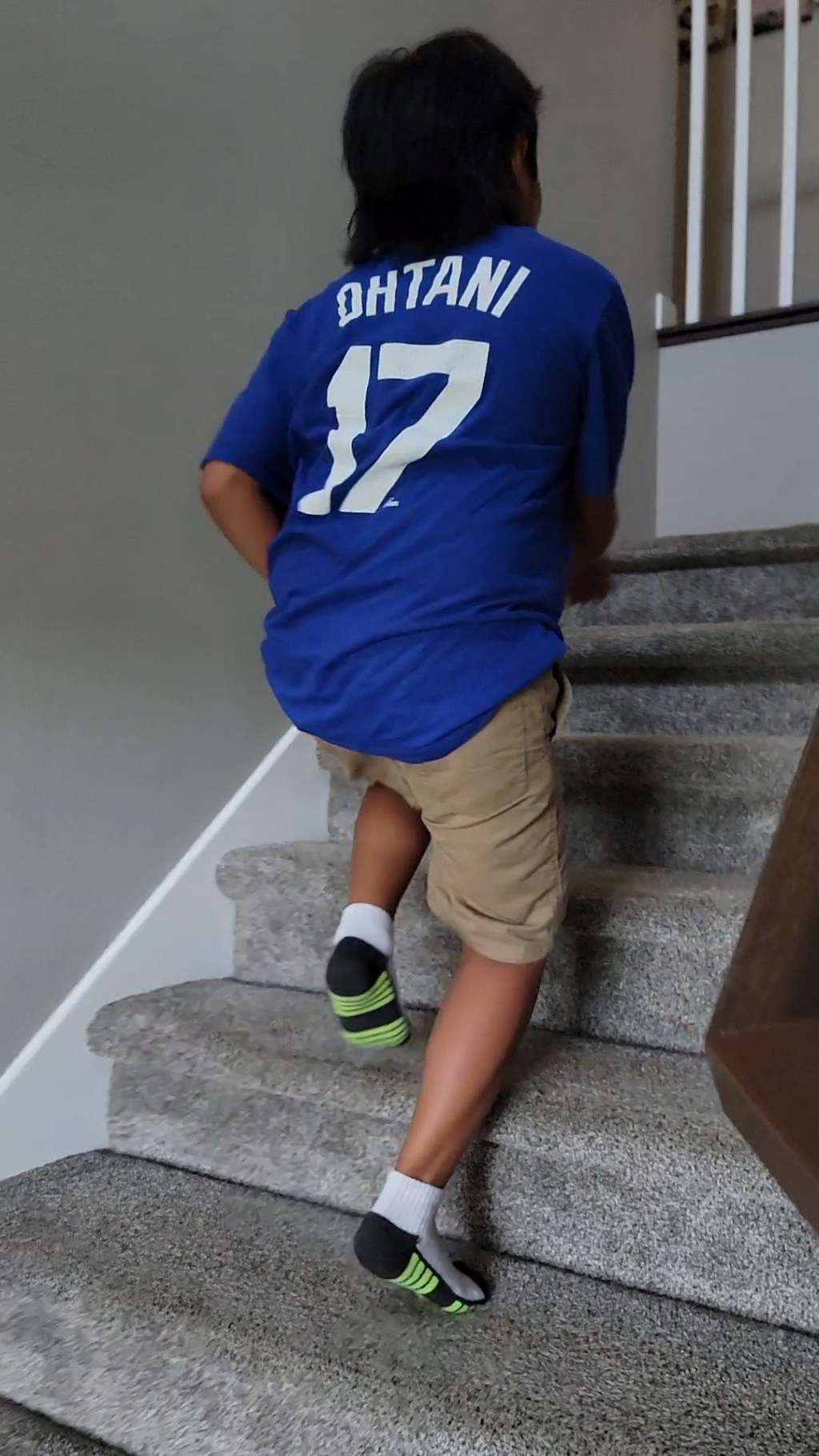
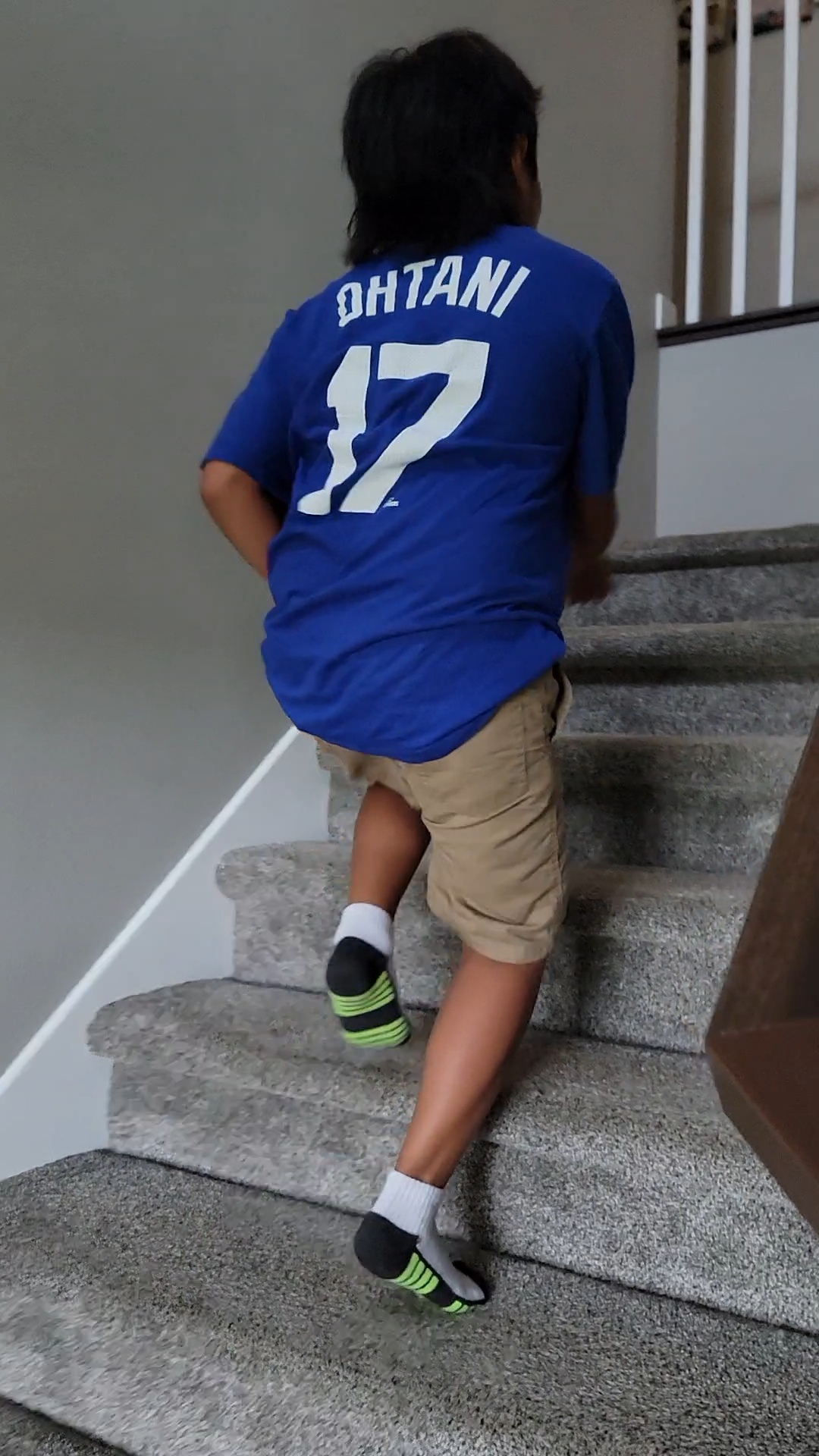
Titus’s bedroom is upstairs, and the staircase right outside his door has no gate. When we moved in, he was only four years old and the idea of him using stairs on his own was terrifying. But very quickly, we saw that he could do it.
Using walls, rails, and his feet, he safely learned to navigate them on his own. It helped that the stairs have built-in landings, so any fall wouldn’t be too long.
Small Changes That Make a Big Difference
Here are a few of the subtle tweaks we made to help Titus move freely and confidently around our home:
Structural Changes:
- We moved an archway to center it with the bathroom. This gave him a straight, clear path rather than one with turns.
- We added a sidewalk from the back door to the patio for smooth, consistent navigation.
- We made the outside stairs straight and center with the yard.
Landmark Cues:
- Area rugs are placed throughout the house not just for looks but to serve as tactile guides:
- Under the living room seating area
- In the kitchen
- In front of doors
- Under the dining table
- These rugs help Titus “map” the space in his head.
Outdoor Navigation:
- He finds the firepit, pool stairs, and open yard using these outdoor cues.
- Toys are stored in the same place in the garage so he can access them without help.
Everyday Tools That Support Independence
Like most homes, our appliances are modern—and mostly touchscreen. That can be a challenge for someone blind, but we’ve made it work.
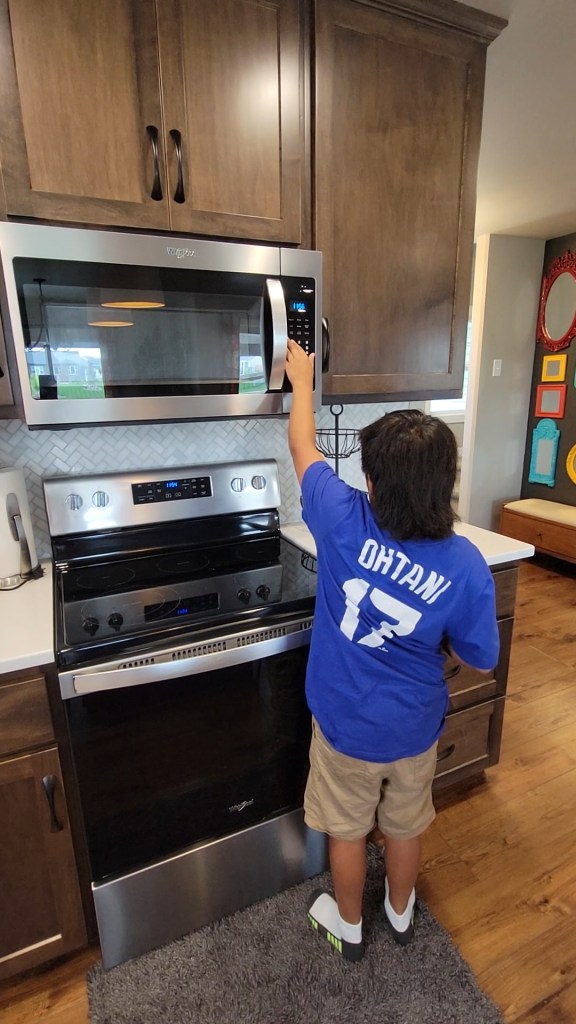
- We added bump dots to the microwave and water dispenser so Titus can find and use the controls independently.
- He’s not using the stove yet without help—but we’re working toward it.
- Alexa is a huge help – with this he can use the television, find the weather, latest baseball scores, and music he plays his drums to.
A Place for Everything (And Everything in Its Place)
I’ve always loved organization, and it turns out that helps Titus, too!
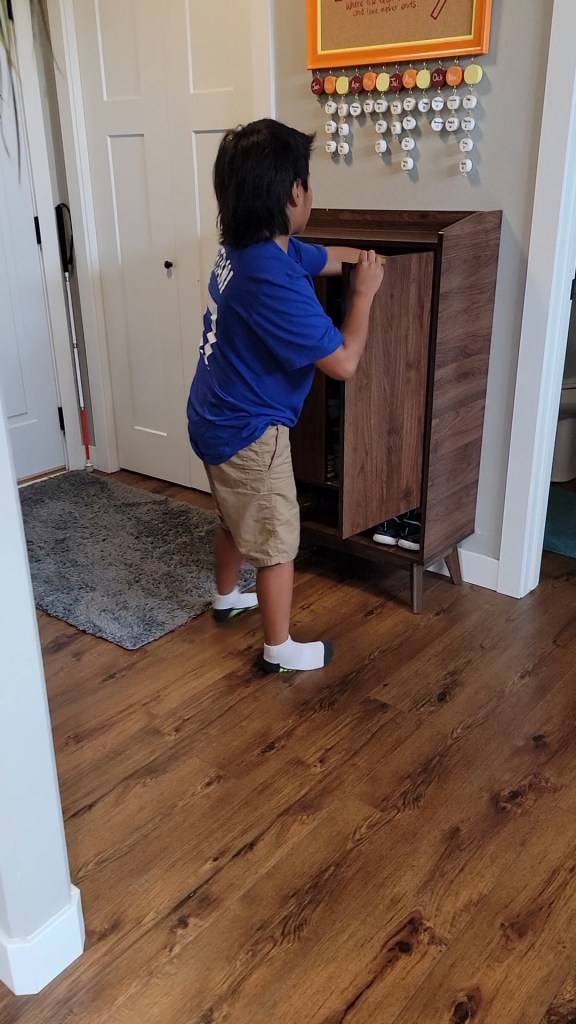
- His shoes go in a cabinet—same spot every time.
- The snack bin in the pantry stays in one place. When I refill it, I tell him what’s in there, and he’ll feel new items to get familiar.
- His coat and backpack hang on the same hooks.
- His cane lives by the door.
- We have shampoo, conditioner, and body wash wall dispensers in the shower. He knows the order and can use them unassisted.
- His iPhone and iPad have a home near a charging station so he can communicate and utilize Siri.
These consistent routines give him the confidence to get ready for school and go about his day on his own.

Hosting with Accessibility in Mind
When we have guests over, we make small changes to keep things safe and easy for Titus:
- Chairs get pushed in when not in use
- Guests’ shoes get tucked out of walkways
- If we move any furniture, we tell him right away
- New objects? We walk him over and introduce him to them
These actions may seem small, but they allow Titus to move freely and confidently in his own space.
Yes—He’s Still a Kid!
Titus is 10. He gets distracted. He plays hard. Sometimes he runs straight into something that wasn’t where it should be.
Bruises on his shins still happen (though less now), especially if he’s goofing off with his brother or friends. That’s just life. He’s learning, growing, and thriving in a space that’s made for him.
We’d Love to Hear From You!
Do you have a child who is blind or visually impaired?
Have you made small changes in your home that helped them gain more independence?
We’d love to hear what’s worked for you!
Drop a comment below and share your favorite home adaptations, clever tricks, or systems that make life easier. Your ideas might help another family just starting this journey!
And if you found this post helpful, please share it—it helps us reach and connect with more families navigating blindness together.




 Amazingly Blind