
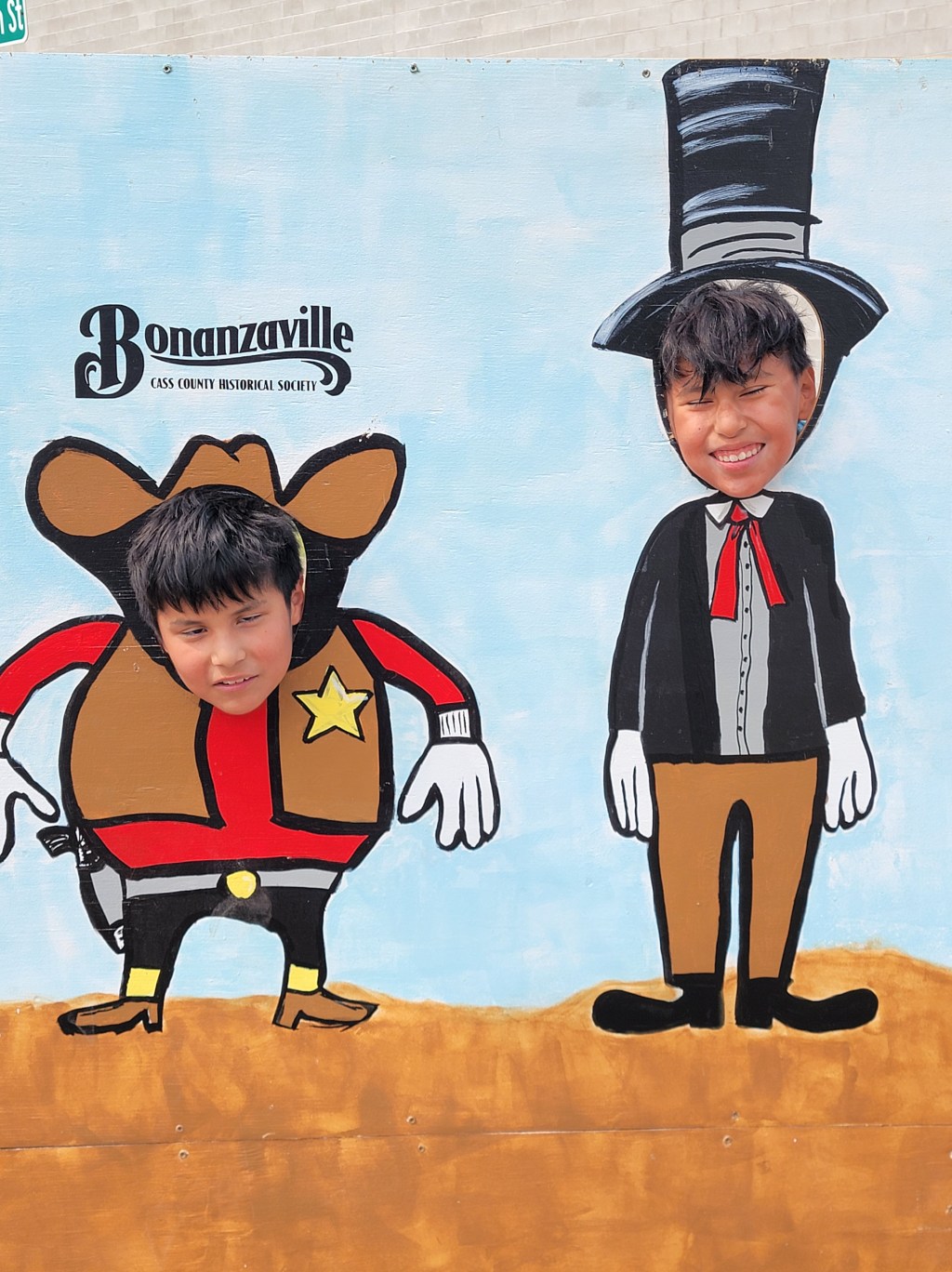
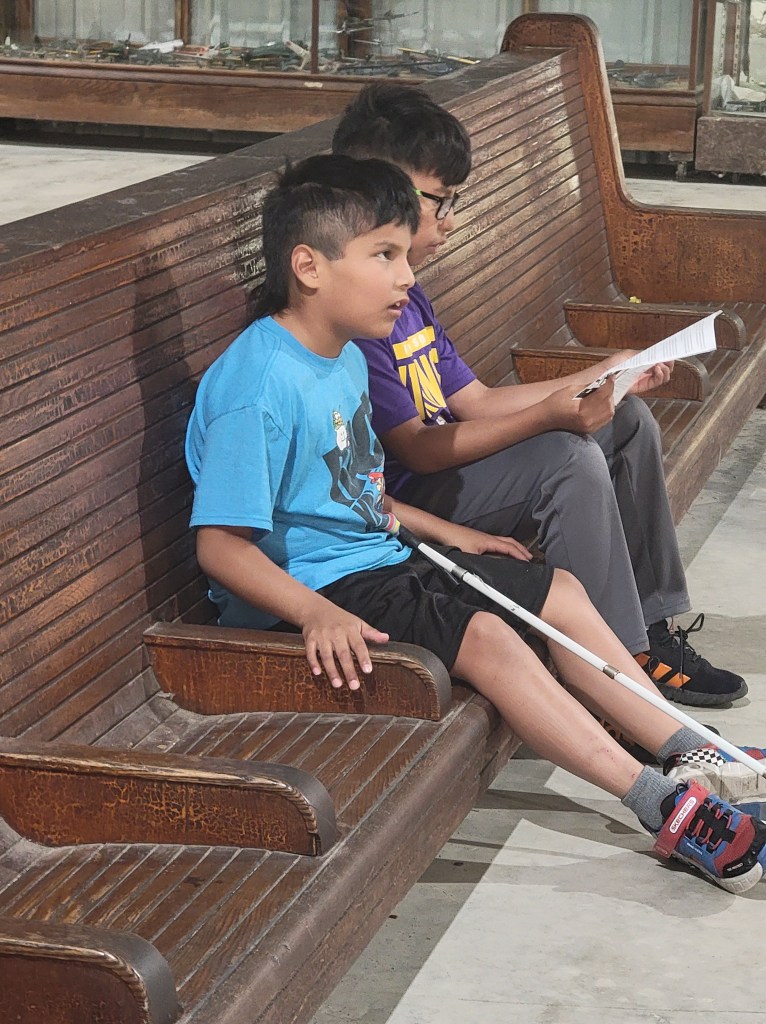
Every summer, our family has a tradition: weekly adventures close to home. These outings aren’t just a way to escape boredom; they’ve become a way our family makes memories together. I first started these adventures years ago, hoping to gently push my son Titus, who is blind, outside of his comfort zone and into new experiences.
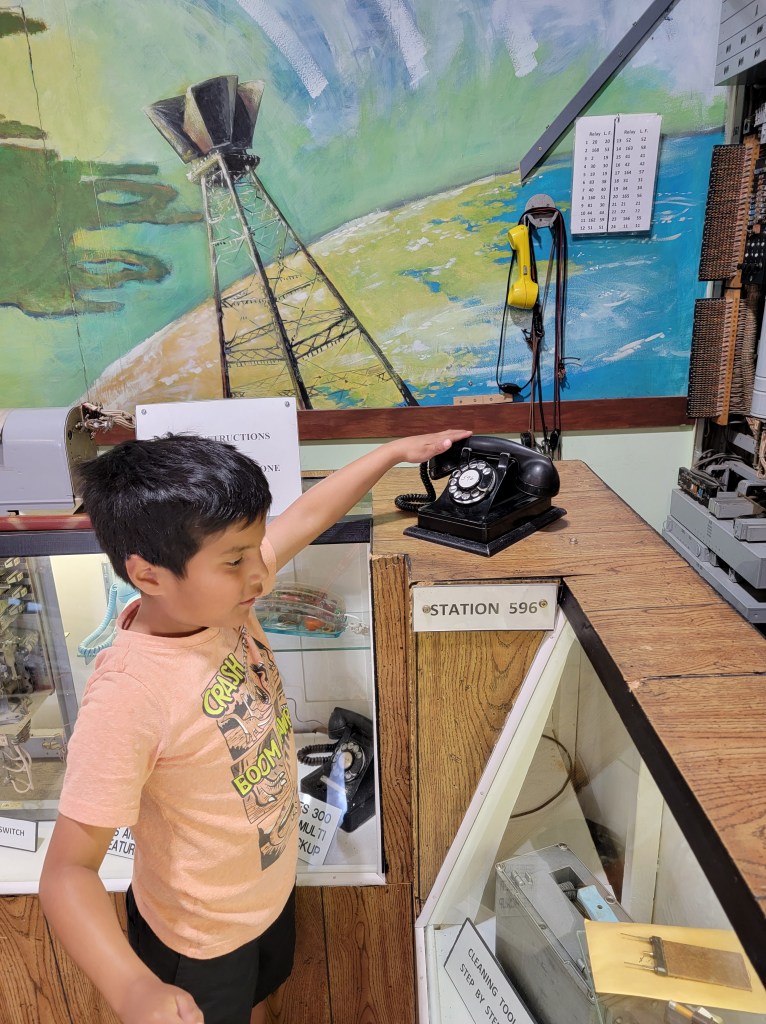
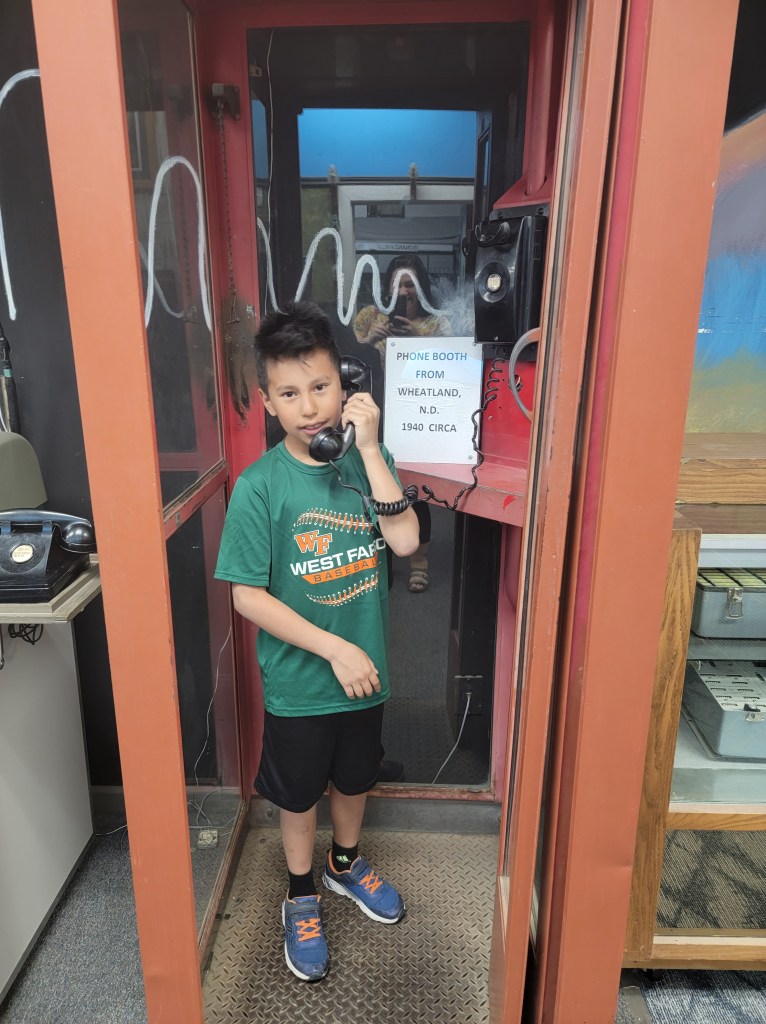
One of the places we hit up every year is our local pioneer village. This has become a favorite summer adventure. What immediately captured Titus’ attention was the telephone museum there. Inside you can touch and call a variety of phones. Each with unique buttons, dials, and cranks. Each phone has a different ring and both boys have a great time calling and hanging up on each other. Often time the classic joke, “Is your refrigerator running?” is asked eliciting squeals and laughter from the boys or anyone nearby. It is funny to see them try to remember how to operate an old “house” phone. I often need to remind them that they need to pick up the receiver before dialing. You can also go inside an old phone booth and even look at old phone books.
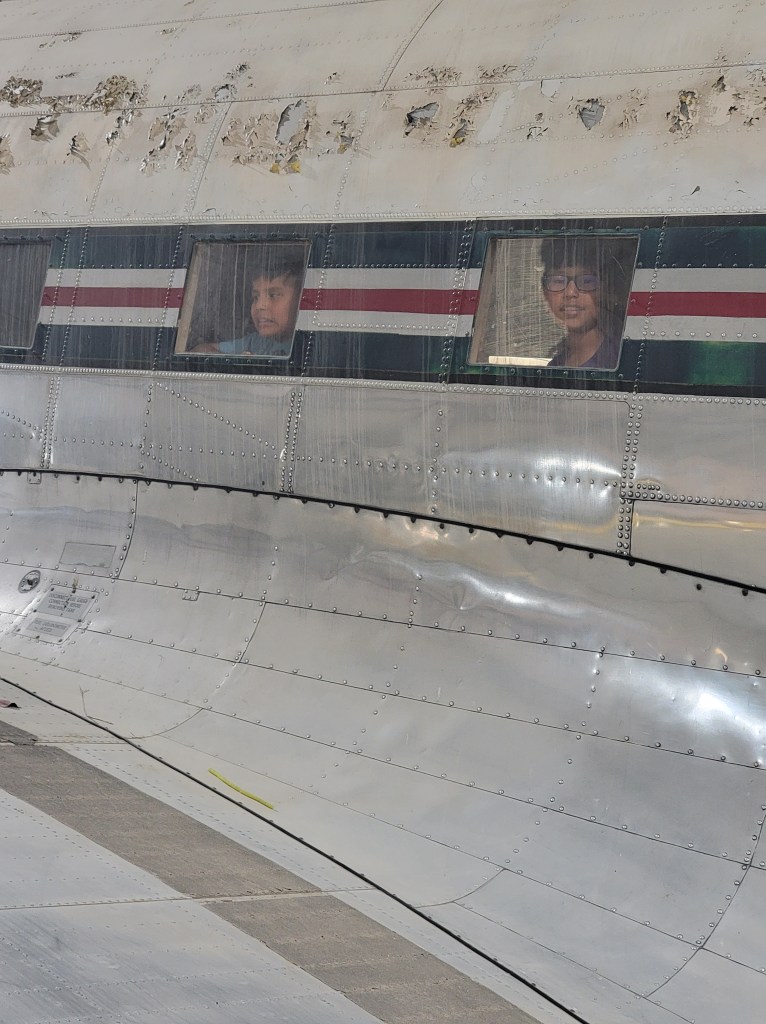
There’s an airplane museum on-site where you can see a variety of old planes, but the best part is getting to go inside one. You can walk right up the steps and explore all the way to the cockpit. It’s musty and dusty inside—exactly what you’d expect from an old plane—and the boys love it.
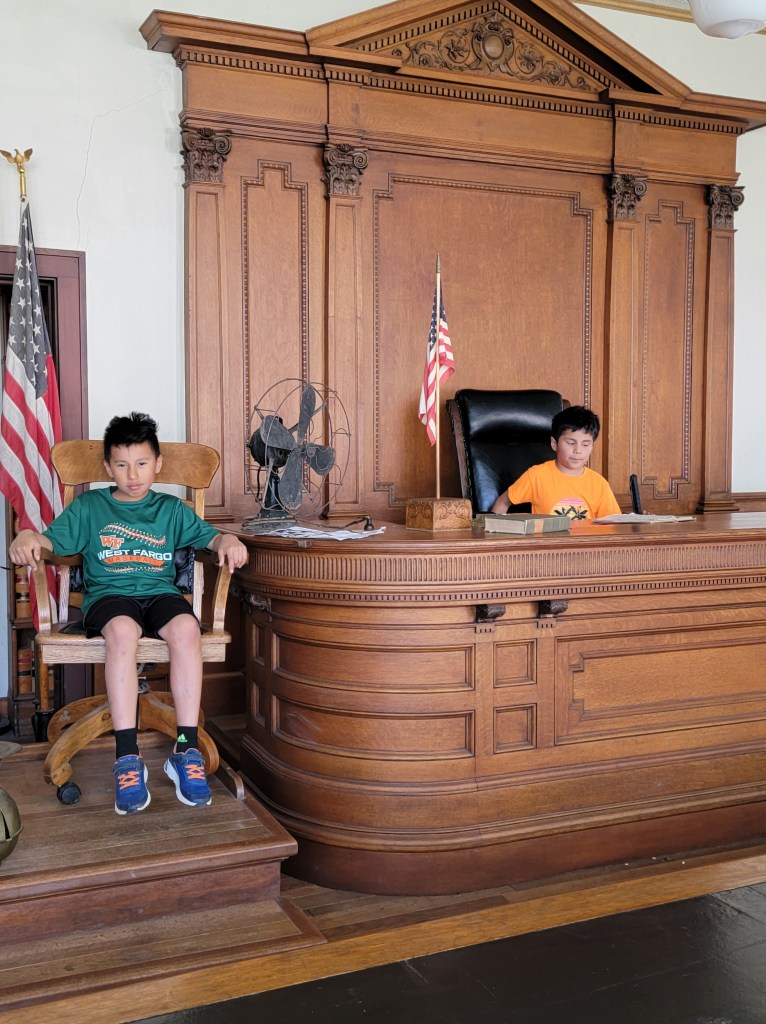
Just down the road past the saloon, law enforcement museum, firehouse, other old homes, is an old courthouse. The boys always rush to the judge’s bench, eager to put someone on trial (usually me). They bang on the desk and declare me guilty before sentencing me to the next stop: the jail.
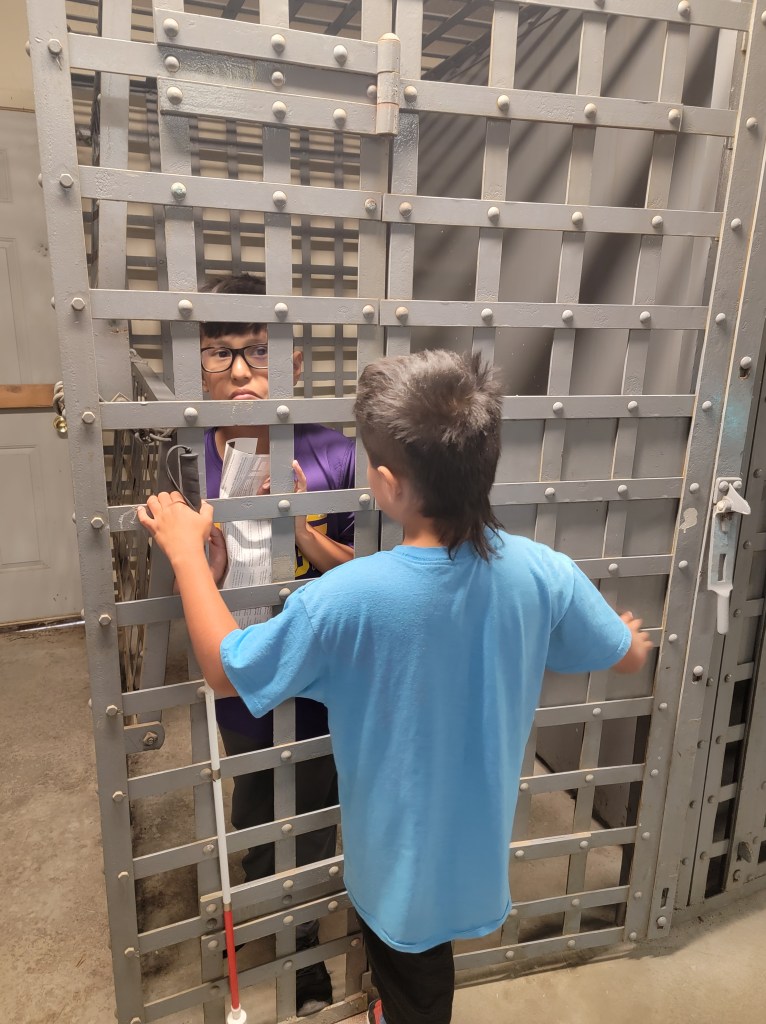
The jail is another favorite. Inside, there’s a display of police uniforms behind glass, but the real fun is in exploring the old jail cell. The doors are heavy and creaky; slamming shut with a loud bang. The hands-on experience brings history to life in a way you just can’t get from a book.
The village is set on 12 acres of land with 34 different buildings for exploration plus a museum. Not everything is tactile, so we do our best to describe what is behind the glass or roped off areas. I will read some of the plaques and brief over others, depending on the level of interest. Overall, the village is very blind friendly, offering many areas to explore through touch, sound, and smell.
We’ve explored many pioneer villages over the years, and each one brings a new way to touch history—literally. Whether your kids are sighted or blind, I highly recommend stepping into the past. You never know what new favorite adventure is waiting for you just down the road.


 Amazingly Blind